Vishnupad Temple Gaya: History, Sacred Footprint of Lord Vishnu & Complete Travel Guide (2026)
Discover everything about Vishnupad Temple in Gaya, Bihar. Learn its fascinating history, the sacred footprint of Lord Vishnu, mythology, architecture, spiritual significance, travel tips, nearby attractions, and why millions of pilgrims visit every year. Your complete 2026 travel guide.
Vishnupad Temple, Gaya: The Ultimate Travel Guide to the Sacred Footprint of Lord Vishnu (2026)
Part 1: Introduction, History, Mythology & Spiritual Significance
Welcome to Vishnupad Temple – One of India's Most Sacred Pilgrimage Destinations
Some journeys are planned months in advance. Others begin with a simple recommendation from a friend or a story passed down through generations. A visit to Vishnupad Temple in Gaya often starts with both.
Situated in the historic city of Gaya in Bihar, Vishnupad Temple is one of the country's most respected Hindu pilgrimage sites. Every year, devotees from across India and from countries such as Nepal visit this ancient temple to offer prayers, seek blessings, and perform rituals in memory of their ancestors. At the same time, history lovers, architecture enthusiasts, and curious travelers are drawn here by the temple's remarkable heritage and its deep connection with one of Hinduism's most enduring traditions.
Unlike many tourist attractions that impress visitors only with their appearance, Vishnupad Temple leaves a lasting impression through its atmosphere. The ringing of temple bells, the fragrance of marigold flowers and incense, the chanting of sacred hymns, and the steady flow of pilgrims create an experience that feels both peaceful and deeply meaningful.
Whether your visit is inspired by faith, curiosity, or a love of history, this temple offers far more than a sightseeing stop. It provides a glimpse into centuries of devotion that continue to shape the cultural identity of Gaya.
Why Vishnupad Temple Is So Special
India is home to thousands of temples dedicated to Lord Vishnu, yet Vishnupad Temple occupies a unique place among them.
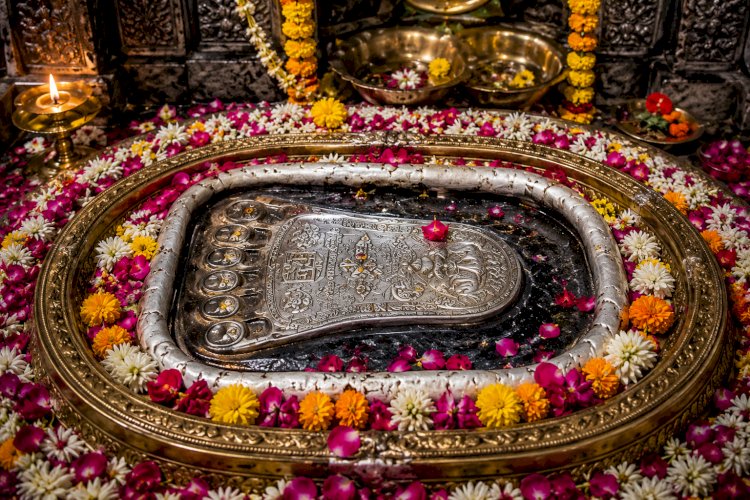
The temple is traditionally believed to preserve the sacred footprint of Lord Vishnu, impressed into a natural rock. This footprint forms the spiritual heart of the temple and has been worshipped for generations.
Another reason for the temple's importance is its association with Pind Daan, a Hindu ritual performed in remembrance of departed ancestors. Many families believe that offering these rituals in Gaya carries exceptional spiritual significance. During the annual Pitru Paksha period, the city welcomes an extraordinary number of pilgrims who come to continue this long-standing family tradition.
Beyond its religious importance, Vishnupad Temple also represents Bihar's rich architectural and cultural heritage. It reflects the craftsmanship, beliefs, and community life that have shaped this region for centuries.
Where Is Vishnupad Temple Located?
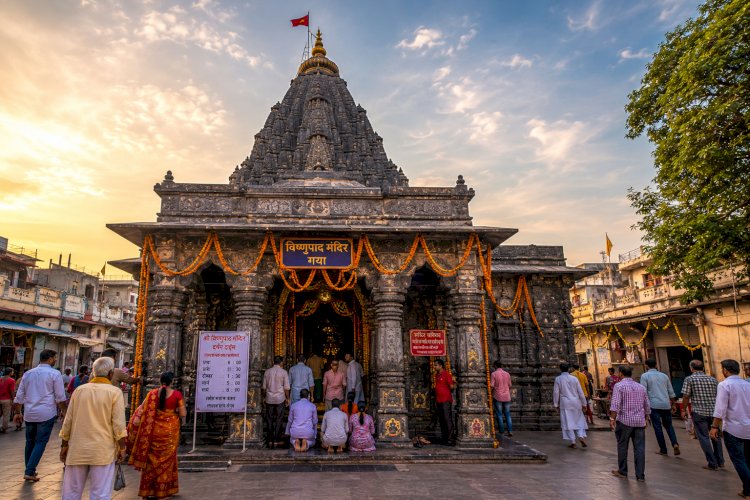
Vishnupad Temple is located in Gaya, one of Bihar's oldest continuously inhabited cities. The temple stands close to the Falgu River, a river that occupies an important place in Hindu tradition and local religious practices.
The surrounding streets are lively throughout the year. Visitors will find flower shops, sweet stalls, small restaurants serving traditional Bihari cuisine, and stores selling prayer items and religious souvenirs. Despite this activity, the temple itself maintains an atmosphere of calm and reverence.
Its central location also makes it convenient to visit other important destinations such as Bodh Gaya, Mangla Gauri Temple, Brahmayoni Hill, and several historical sites during the same trip.
A Story Preserved Through Faith
Every ancient temple has a story that explains why it became sacred. Vishnupad Temple is no exception.
According to Hindu tradition, there once lived a devoted being named Gayasura. Unlike many characters described as demons in mythology, Gayasura is remembered for his extraordinary spiritual discipline and dedication. His penance became so powerful that anyone who saw him was believed to receive spiritual liberation.
The gods became concerned that this blessing disturbed the natural order of life. They sought the guidance of Lord Vishnu.
Tradition says that Lord Vishnu appeared before Gayasura and gently placed His foot upon him, asking him to remain beneath the earth so that future generations could continue their spiritual journey through righteous living. As a blessing, Lord Vishnu's footprint remained imprinted on a rock.
For devotees, the footprint preserved inside Vishnupad Temple represents this sacred event. For visitors interested in mythology, it offers a fascinating example of how ancient stories continue to influence living traditions.
It is important to understand that this account belongs to Hindu religious tradition. Its significance lies in the faith and cultural heritage it represents for millions of devotees.
The Sacred Footprint
Inside the temple's sanctum lies the feature that has made Vishnupad Temple famous throughout India.
The footprint, protected within a beautifully decorated shrine, is believed by devotees to be the footprint of Lord Vishnu. Pilgrims patiently wait for their turn to offer flowers, prayers, and respect before this sacred symbol.
Many visitors describe this as the most memorable moment of their journey. Some pray quietly for the well-being of their families, while others express gratitude or seek inner peace.
Even visitors who come primarily for historical interest often appreciate the atmosphere of devotion surrounding the shrine. The experience offers insight into a tradition that has continued for generations.
A Temple Rebuilt with Remarkable Vision
The present structure of Vishnupad Temple owes much to the efforts of Queen Ahilyabai Holkar, the respected ruler of the Holkar dynasty during the eighteenth century.
She is remembered across India for supporting the restoration of numerous important pilgrimage sites. Rather than allowing ancient places of worship to decline, she invested in rebuilding temples while respecting their traditional significance.
The reconstruction of Vishnupad Temple under her patronage helped preserve this sacred site for future generations. Her contribution remains an important chapter in the temple's history and reflects her lasting influence on India's architectural heritage.
Appreciating the Temple's Architecture
Although many visitors come for spiritual reasons, the temple is equally rewarding for those interested in architecture.
Constructed primarily from dark stone, the temple displays elegant craftsmanship through its carved pillars, decorative motifs, and traditional North Indian temple design. The shikhara, or temple tower, rises prominently above the surrounding buildings, making it an unmistakable landmark in Gaya.
Walking through the temple complex, visitors notice details that reward careful observation—stone carvings shaped by skilled artisans, carefully designed prayer spaces, and architectural features that have endured the passage of time.
Rather than overwhelming visitors with ornamentation, the temple conveys a sense of dignity and simplicity that complements its spiritual purpose.
More Than a Place of Worship
What makes Vishnupad Temple memorable is not only its history or architecture but also the people who continue to keep its traditions alive.
Early each morning, priests prepare the temple for worship. Flower sellers arrange fresh offerings outside the entrance. Families arrive together, often representing several generations. Elderly pilgrims share stories with younger relatives, passing on customs that have been followed in their families for decades.
For many visitors, these everyday moments become just as meaningful as the temple itself. They reveal how faith, family, and community remain closely connected in this sacred place.
Why This Temple Continues to Inspire Visitors
Some destinations are famous because of spectacular scenery. Others are known for impressive monuments.
Vishnupad Temple is remembered because it represents continuity—a place where ancient tradition, living faith, and cultural heritage come together.
Whether you arrive seeking spiritual comfort, historical understanding, or a deeper appreciation of Bihar's heritage, the temple offers an experience that encourages reflection rather than hurried sightseeing.
As you leave the temple complex, the sounds of bells gradually fade behind you, but the sense of peace often remains.
What's Your Reaction?