Vishnupad Temple Gaya: Pind Daan, Pitru Paksha, Timings & Travel Guide (2026)
Planning to visit Vishnupad Temple in Gaya? Learn about Pind Daan rituals, Pitru Paksha, temple timings, best time to visit, how to reach, nearby attractions, travel tips, and everything you need for a peaceful pilgrimage.
Vishnupad Temple, Gaya: The Ultimate Travel Guide to the Sacred Footprint of Lord Vishnu (2026)
Part 2: Pind Daan, Pitru Paksha, Temple Rituals, Visitor Information & Travel Guide
The Sacred Tradition of Pind Daan in Gaya
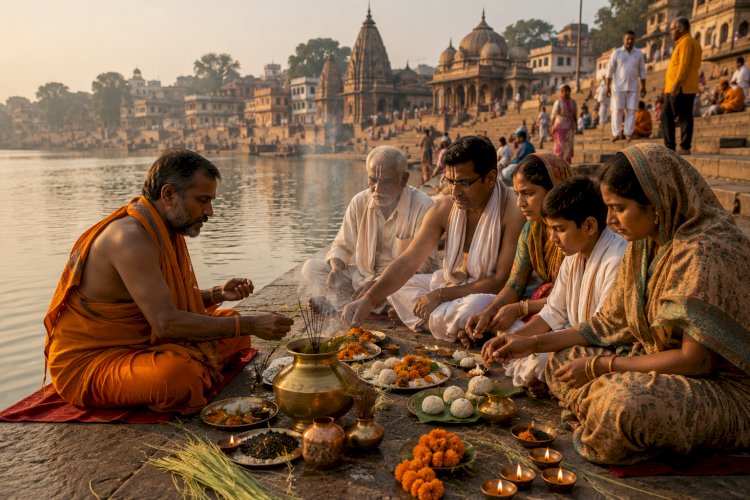
For countless Hindu families, a visit to Vishnupad Temple is more than a pilgrimage—it's an opportunity to honor parents, grandparents, and ancestors through the sacred ritual of Pind Daan.
Pind Daan is a traditional Hindu ceremony in which symbolic offerings, usually made from rice flour, barley, sesame seeds, and water, are presented with prayers for departed souls. According to Hindu tradition, performing these rites in Gaya is especially auspicious because of the city's long-standing association with ancestor worship.
Many families make this journey only once in their lifetime. It is common to see several generations traveling together, with elders guiding younger family members through rituals that have been observed for centuries.
While customs vary by region and family tradition, the ceremony is generally conducted by experienced priests who guide pilgrims through each step with appropriate prayers and offerings.
Why Is Gaya Considered So Important for Ancestor Worship?
The religious importance of Gaya is described in several Hindu scriptures and traditional texts. According to these traditions, offering prayers for ancestors here is believed to help bring peace to departed souls and express gratitude for previous generations.
Because of this belief, Gaya has become one of the most respected places in India for performing ancestral rites.
It is important to understand that these beliefs are rooted in Hindu religious tradition. Visitors from different cultural or religious backgrounds are welcome to observe respectfully and appreciate the significance these ceremonies hold for millions of devotees.
Understanding Pitru Paksha
If there is one time when Gaya truly comes alive with spiritual energy, it is during Pitru Paksha.
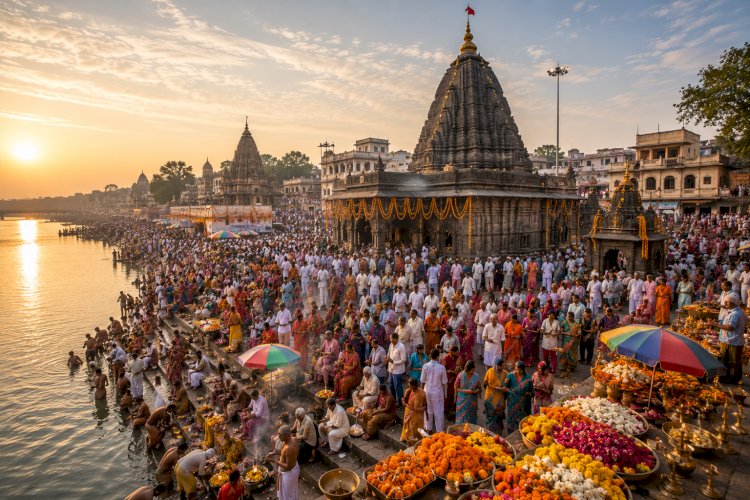
Pitru Paksha is a sixteen-day period in the Hindu calendar dedicated to remembering and praying for deceased ancestors. Every year, lakhs of pilgrims travel to Gaya to perform Pind Daan and other traditional rites.
During this period:
- Temple priests conduct ceremonies from early morning until evening.
- The banks of the Falgu River become gathering places for families performing rituals.
- Temporary facilities and assistance centers are arranged to help manage the large number of visitors.
- Local markets become especially vibrant, offering flowers, ritual items, sweets, and traditional food.
Because this is one of the busiest times of the year, travelers planning to visit during Pitru Paksha should book accommodation and transportation well in advance.
Daily Temple Rituals
The daily rhythm of Vishnupad Temple reflects centuries of uninterrupted worship.
The day begins before sunrise as priests prepare the temple for morning prayers. Fresh flowers are offered, sacred hymns are recited, and devotees begin arriving for darshan.
Throughout the day, worship continues through a series of rituals that may include:
- Morning prayers (Mangala Aarti)
- Flower offerings
- Vishnu Sahasranama recitation
- Special pujas requested by devotees
- Evening Aarti
The atmosphere changes gently throughout the day. Early mornings are peaceful and ideal for quiet prayer, while evenings bring the warm glow of lamps and devotional singing.
Temple Timings
Although timings may change during festivals and special religious occasions, visitors can generally expect the following schedule:
Opening Time: Around 6:00 AM
Closing Time: Around 8:00 PM
Morning visits are recommended for those who prefer a quieter atmosphere and shorter waiting times.
Entry Fee
One of the welcoming aspects of Vishnupad Temple is that there is no general entry fee for visitors.
However, if you wish to perform a special puja or Pind Daan ceremony, the associated costs depend on the specific ritual and the arrangements made with authorized temple priests.
Visitors should always discuss ceremony details beforehand and seek guidance from officially recognized priests or temple authorities.
Best Time to Visit Vishnupad Temple
Although the temple remains open throughout the year, weather conditions and festival schedules can significantly influence your experience.
September to November
This period is considered one of the best times to visit.
The weather becomes more comfortable after the monsoon, and Pitru Paksha often falls during these months, creating a deeply spiritual atmosphere.
If you wish to witness one of India's largest gatherings dedicated to ancestor worship, this is the ideal season.
Keep in mind that visitor numbers are much higher during this time.
December to February
Winter is perfect for sightseeing.
Pleasant temperatures make it comfortable to explore both Vishnupad Temple and nearby attractions such as Bodh Gaya, Brahmayoni Hill, and Mangla Gauri Temple.
This season is particularly suitable for families and senior travelers.
March
March offers relatively comfortable weather with fewer crowds than the main pilgrimage season.
It is a good choice for travelers interested in photography and cultural exploration.
April to June
Summers in Gaya are generally hot.
Afternoon temperatures can become uncomfortable, so visitors during these months should plan temple visits early in the morning.
How to Reach Vishnupad Temple
By Train
The nearest railway station is Gaya Junction, one of Bihar's major railway hubs.
From the station, the temple is approximately 3 kilometers away.
Auto-rickshaws, taxis, and app-based transport services are generally available outside the station.
By Air
The nearest airport is Gaya International Airport, located around 10–12 kilometers from the temple.
The airport operates domestic flights and also receives seasonal international flights, particularly during the Buddhist pilgrimage season.
By Road
Gaya enjoys good road connectivity with major cities including:
- Patna
- Bodh Gaya
- Varanasi
- Ranchi
- Dhanbad
State transport buses, private buses, taxis, and self-drive vehicles provide convenient travel options.
Nearby Attractions Worth Exploring
A visit to Vishnupad Temple can easily be combined with several other important destinations.
Mahabodhi Temple, Bodh Gaya
Located about 15 kilometers away, Mahabodhi Temple is one of the world's most significant Buddhist pilgrimage sites and a UNESCO World Heritage Site.
Mangla Gauri Temple
Dedicated to Goddess Shakti, this ancient temple is among the important Shakti traditions associated with Gaya.
Brahmayoni Hill
Visitors willing to climb its stone steps are rewarded with panoramic views of Gaya city.
The hill also contains ancient caves connected with local religious traditions.
Falgu River
Even when the river appears dry on the surface during parts of the year, it remains deeply significant in Hindu tradition and continues to be an important location for ancestral rituals.
Helpful Travel Tips
To make your visit more comfortable:
- Dress modestly and respectfully.
- Remove footwear before entering the temple.
- Carry drinking water, especially during warmer months.
- Keep your belongings secure in crowded areas.
- Follow photography restrictions inside the temple.
- Visit early in the morning for a quieter experience.
- Book hotels well in advance if traveling during Pitru Paksha.
- Respect local customs and allow pilgrims space during religious ceremonies.
A Journey That Stays With You
Travel often introduces us to beautiful places.
Occasionally, it also introduces us to meaningful traditions.
Vishnupad Temple offers both.
Whether you come to pray, to learn, or simply to experience one of Bihar's most significant heritage sites, the temple encourages visitors to slow down, observe, and appreciate a living tradition that has continued through countless generations.
What's Your Reaction?